- The importance of documentation for reproducibility
- The target audiences for different types of documentation
- How to use READMEs, code comments, and code style to document your workflow
Documenting Scientific Code and Data
EDS 214: Analytical Workflows and Scientific Reproducibility
Day 2 Afternoon | August 25th, 2026
This afternoon, you’ll learn:
LEGO Blueprints Activity
Step 1: Build (in trios)
- Form trios and receive LEGOs
- Each trio builds a LEGO structure. Get weird with it!
- Take a picture of the finished product
- Destroy the LEGO structure
LEGO Blueprints Activity
Step 2: Copy (in pairs)
- Switch LEGOs and pictures with another trio
- Try to replicate the structure using only the picture
- Take notes about challenges encountered
LEGO Blueprints Activity
Step 3: Share (in groups)
- Trios compare original and finished structures
- Take notes about what was different
- Describe 2-3 pieces of documentation that would have helped
LEGO Blueprints Activity
Step 4: Debrief (as a class)
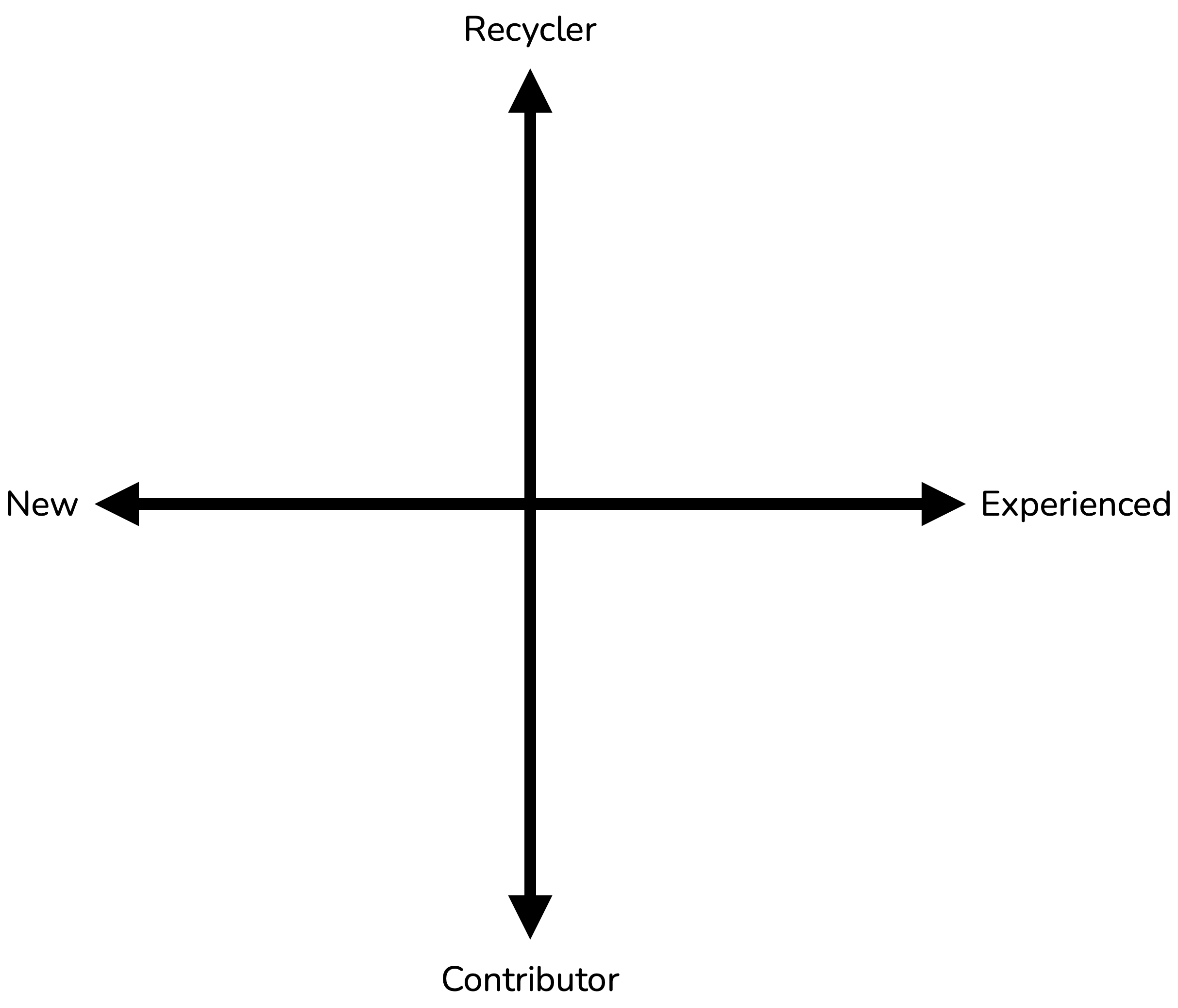
Types of Documentation
README
A file that (succintly) describes the project and how it works.
Comments
Annotations within the code to explain why.
Code style
A consistent format for writing code, including naming conventions and structure.
README Documentation
Typical README contents
- A short, but descriptive title
- A brief explanation of the repository’s purpose
- A concise description of what’s housed in the repository
- Details regarding data access
- A list of authors or current contributors (for collaborative work)
- References
Code Comments
Flavors of code comments
Headers
Describe file’s purpose, author, and date created/modified
Inline
Explain complex logic, clarify assumptions, warn about edge cases
Function
Purpose, parameters, and return values of functions
Code Style
Readability → Comprehension → Reproducibility
Consistency is key! (Just like workflow folder organization)
Key considerations:
- Object naming conventions
- Spacing and layout
- Writing and calling functions
- Comments!

Tidyverse Style Guide
Documentation Recap
Why document?
- Facilitates collaboration
- Supports knowledge transfer
- Prevents nasty, horrible, awful headaches
Key documentation types:
- READMEs
- Code comments
- Consistent style